
Corruption
Play Corruption
Corruption Screenshots









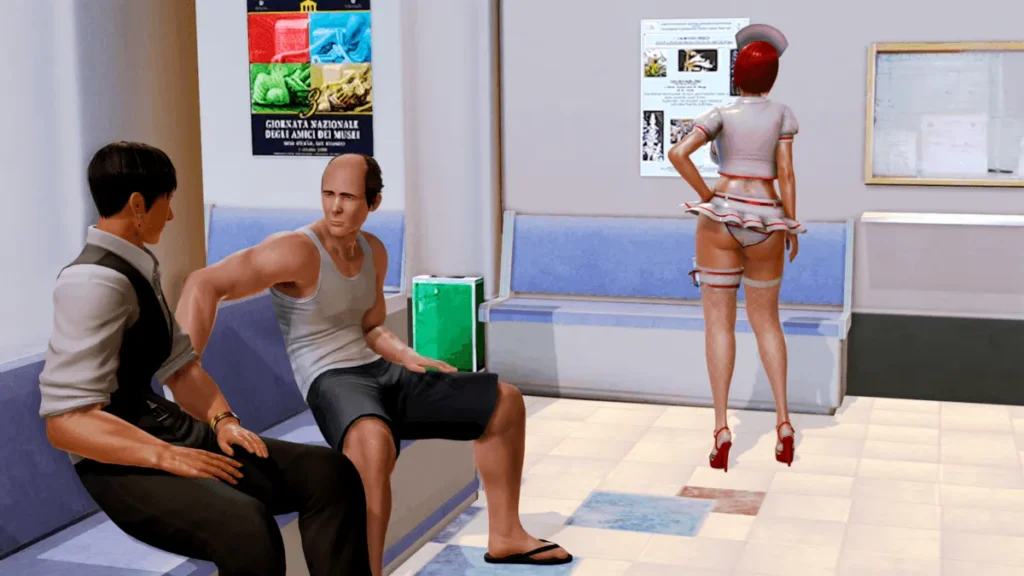



Corruption review
Understanding the Corruption system, character progression, and strategic gameplay elements in this adult RPG adventure
The Corruption game stands out in the adult RPG genre for its intricate mechanics and engaging narrative structure. At its core, the game features a sophisticated Corruption system that drives character progression, unlocks unique content, and shapes player interactions throughout the adventure. Whether you’re new to the game or looking to deepen your understanding of its systems, this guide explores the mechanics that make this title compelling. From tracking your Corruption points to discovering hidden scenes and managing combat encounters, we’ll break down everything you need to know to maximize your gameplay experience.
Understanding the Corruption System and Progression Mechanics
Let’s be honest—when you first booted up this adventure, you probably thought the Corruption system mechanics were just a fancy morality meter. I sure did. I figured it was a simple “good vs. bad” slider tucked away in the menu. But then, on my third attempt to reach the western outpost, something wild happened. My character, who I’d been playing as a reluctant hero, stumbled into the Auxiliary Commander’s tent. The scene that unfolded was dark, twisted, and utterly compelling. It wasn’t available before. What changed? I’d quietly crossed a invisible line in the sand, a Corruption threshold that reshaped my entire playthrough. That’s when it clicked: this isn’t a sidebar feature. This is the beating, pulsing heart of the entire game. 🎭
This chapter is your deep dive into that heart. We’ll break down how this brilliant system works, how to track your spiral (or ascent, depending on your view), and most importantly, how to wield it strategically to craft your unique story. Forget playing passively; understanding Corruption points progression is the key to unlocking the game’s deepest secrets.
### What Is the Corruption System and How Does It Work?
Think of Corruption not as a simple “evil” score, but as a measure of your character’s… let’s call it pragmatic evolution within a broken world. The core Corruption system mechanics are elegantly simple on the surface: you make choices, and you earn points. But these aren’t just narrative fluff. Every point is a tangible currency that permanently alters your available paths.
So, how do you get these points? They’re woven into the very fabric of gameplay:
* Dialog Choices: 🗣️ That seemingly innocuous option to threaten a merchant for a better price? That’s +1. Agreeing to a shady character’s proposition for quick power? That’s +2. The game masterfully presents these not as cartoonish villainy, but as tempting shortcuts or necessary evils.
* Exploration & Interactions: The world is littered with temptations. Reading a forbidden text in an abandoned library, interacting with certain mystical artifacts, or even choosing a specific approach during an encounter can silently add to your tally.
* Combat & Encounter Resolutions: Sometimes, violence isn’t the only answer, but it might be the most expedient one. Choosing particularly ruthless finishers or leveraging certain powers against foes like Grove and his ilk can accelerate your Corruption points progression.
Here’s the crucial part: this system is a one-way street for your save file. You can gain points, but you can’t lose them. They accumulate, defining your character’s legacy. This permanence is what makes every decision weighty. That single point you pick up in the opening hour could be the very one that pushes you past a crucial Corruption threshold 20 hours later, revealing a scene you never knew existed.
My Pro Tip: Don’t try to “game” the system on your first blind playthrough. Just role-play. Make choices that feel right for the character you’re imagining in the moment. You’ll be shocked at where you end up, and that authentic journey is half the magic. The min-maxing can come later! ✨
### Tracking Your Corruption Points and Unlocking Content
You won’t find a big, glowing “CORRUPTION: 42” display on your HUD. Part of the genius—and tension—of character Corruption level tracking is its subtlety. The game wants you to feel the change, not just see a number. You track it through the world’s reaction to you.
- NPC Behavior: This is your best gauge. Characters like Grove, who might be standoffish or cautious initially, will begin to treat you with a mix of fear, respect, or twisted familiarity as your Corruption level rises. Their dialogue options shift, opening new, often darker, conversation branches.
- Environmental & Narrative Cues: The game’s visual and audio design subtly shifts. Music might become more ominous in certain areas, or your character’s own internal monologue (shown through text descriptions) might grow more cynical and jaded.
- The Journal & Scene Unlocks: While not a direct meter, your in-game journal or scene gallery becomes a de facto progress tracker. When a new, unexpected scene triggers—like my unforgettable trip to the commander’s tent—it’s a clear signpost that you’ve hit a major milestone. This is the essence of Corruption-based content unlocking.
And this is where the system truly sings. Content is gated by your total Corruption score. It’s not about choosing Path A or Path B at a single dialog tree. It’s about the sum total of your journey determining which doors are even visible to you.
Let’s make this concrete. Reaching specific point totals acts as a key. Here’s a breakdown of some critical Corruption threshold gameplay moments:
| Corruption Points | Unlocked Content / Scene Example | Gameplay Impact |
|---|---|---|
| 5 Points | Early “ruthless” dialog options with minor NPCs become available. Merchants may offer you illicit goods. | Access to cheaper, powerful, but ethically questionable gear and information. |
| 10 Points | The “Western Path” cutscene triggers (Auxiliary Commander’s tent). New interaction options with authoritative figures unlock. | A major narrative branch opens, offering powerful alliances and unique quests tied to the ruling powers. |
| 25 Points | Special finishers and combat abilities against certain enemy types become usable. Grove’s personal questline alters. | Significant combat advantages and deeply altered companion story arcs. |
| 40+ Points | “True Ending” pathways begin to materialize. The world reacts to you as a figure of palpable power or dread. | Access to the game’s most powerful abilities and its most consequential, defining endings. |
This structured yet hidden progression tracker is what fuels replayability. You’re not just making different choices; you’re literally playing a different version of the game, with unique scenes, outcomes, and character dynamics. Figuring out how to unlock Corruption scenes becomes a meta-game in itself, encouraging you to experiment with every playthrough.
### Strategic Gameplay: Using Corruption to Your Advantage
Now that you understand the lay of the land, let’s talk tactics. This is where you move from being a passenger on the Corruption train to being its conductor. Strategic Corruption management is the art of consciously steering your point total to access the content you desire for a given playthrough.
First, accept that you cannot see everything in one run—and that’s the point! Instead, plan a character archetype:
* The Pragmatic Survivor: Aim for a mid-range Corruption (15-30 points). You’ll take some shady shortcuts for power but stop short of total damnation. This path often unlocks the most nuanced, morally gray storylines.
* The Unwavering Paragon: A near-zero Corruption run is brutally challenging. You’ll miss out on easy power and many scenes, but you’ll experience a rare, “pure” version of the story with its own unique rewards and respect from certain NPCs.
* The Apex Predator: Go all-in. Maximize your Corruption points progression as fast as possible. This is the path for players who want the most visually striking scenes, the most overwhelming power, and the endings that reshape the world through sheer force of will.
Here’s my actionable advice for strategic Corruption management:
- Know Your Checkpoints: 🗺️ Research (or mentally note) where major Corruption threshold scenes are rumored to occur. The western commander scene at ~10 points is a classic example. If you want to see it, plan your early-game choices to ensure you cross that line before that story beat.
- Embrace the Point of No Return: Major story decisions often come with a hefty Corruption point bonus (sometimes +5 or +10). Use these as your primary levers. You can play relatively cleanly up to a key moment, then take one monumental, damning action to catapult yourself into a new content tier.
- Sync with Companion Goals: Characters like Grove have arcs that intersect deeply with the Corruption system mechanics. Sometimes, advancing their loyalty or personal quest requires you to embrace a certain level of decay. Plan your companion strategies around your desired Corruption level.
- Experiment with “Save Scumming”: Before a major choice, save your game. Then, make the high-Corruption choice, play through the resulting scene or new gameplay, and then reload. This lets you experience the content without permanently committing to that path on that save file. It’s a fantastic tool for exploration.
Ultimately, the system is a masterpiece of integration. The Corruption points progression isn’t separate from the narrative; it is the narrative. Your number isn’t just unlocking scenes; it’s defining your character’s soul and, by extension, the very world you are shaping. Managing it strategically isn’t cheating—it’s engaging with the game on its deepest level, crafting a story that is uniquely and powerfully yours. 🏆
### FAQ: Common Questions About Corruption Mechanics
Q: I want to see the “Western Path” scene with the commander. How many points do I need, and what’s the fastest way to get them?
A: You typically need to reach a Corruption threshold of around 10 points. The fastest way is to consistently choose the most aggressive, threatening, or pragmatic dialog options in the opening chapters, and actively seek out and interact with any forbidden objects or texts you find during exploration.
Q: Can I lower my Corruption points if I change my mind?
A: No. The Corruption system mechanics are based on permanent accumulation. Your choices are lasting. This is why planning your character’s arc or using multiple save files for different playthroughs is recommended.
Q: Does a high Corruption level lock me out of “good” content or endings?
A: It doesn’t “lock you out” so much as it opens entirely different branches. You will absolutely miss content only available to low-Corruption characters, but you will gain access to unique high-Corruption scenes, abilities, and endings that are equally rich and complex. It’s about transformation, not punishment.
Q: How can I track my exact Corruption point total?
A: The game doesn’t show a direct number, keeping the character Corruption level tracking immersive. Your best indicators are NPC reactions, the unlocking of new dialog options (especially violent or commanding ones), and the sudden triggering of major new scenes, which signal you’ve crossed a threshold.
Q: Is there a “best” level of Corruption for a first playthrough?
A: There’s no “best,” but for the most varied experience, I recommend a moderate path. Don’t actively avoid all points, but don’t go out of your way to collect them either. Let the story guide you. This will likely give you a taste of both sides of the Corruption-based content unlocking and leave you curious for more.
The Corruption system in this game represents a thoughtful approach to player progression and content gating that rewards exploration and experimentation. By understanding how Corruption points accumulate and what thresholds unlock, you can strategically navigate the game world and discover all the unique scenes and interactions the developers have crafted. Whether you’re pursuing specific narrative outcomes or simply enjoying the journey, mastering the Corruption mechanics enhances your overall gameplay experience. Take time to explore different paths, engage with various NPCs, and watch how your Corruption level shapes your adventure. The beauty of this system lies in its ability to create multiple distinct playthroughs, ensuring that each journey through the game feels fresh and rewarding.