
Evermore
Play Evermore
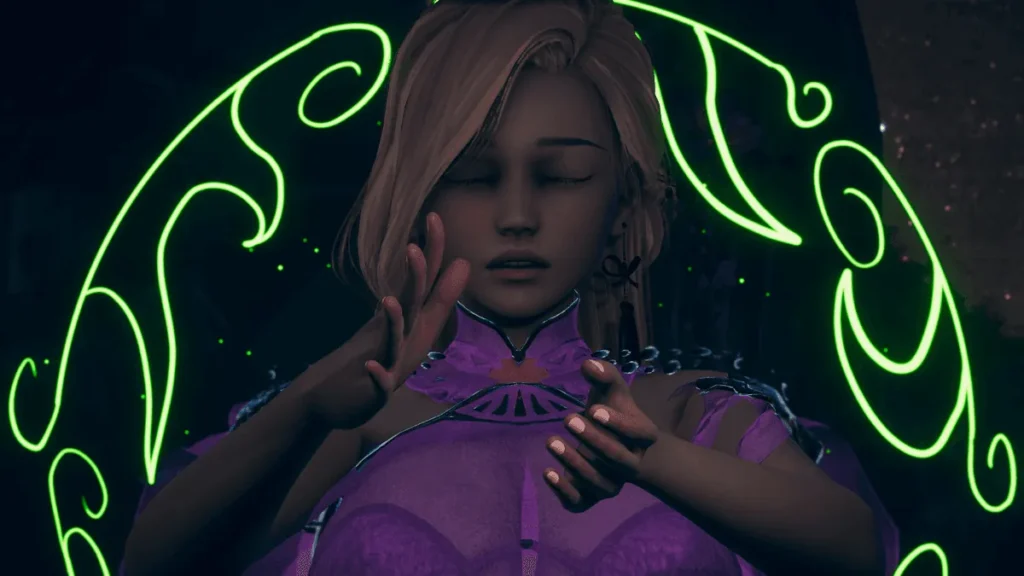
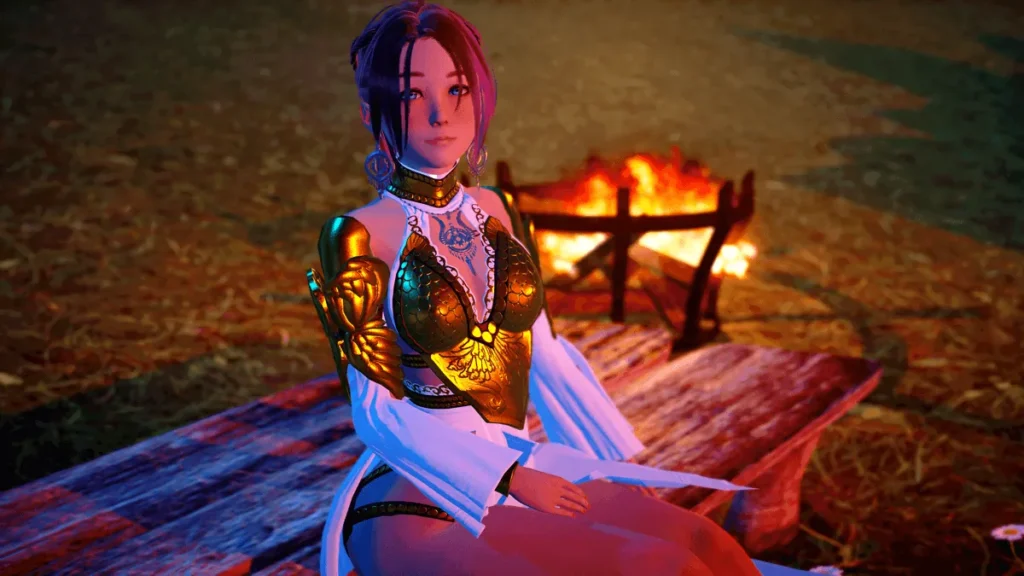
Evermore Screenshots











Evermore review
Master the branching narrative, character relationships, and strategic choices in this dark interactive experience
Evermore stands as a sophisticated interactive visual novel that challenges players with intricate narrative design and meaningful choice systems. Developed by Prometheus, this story-driven experience weaves together character-driven storytelling with mature themes, creating a world where every decision carries weight. Whether you’re exploring character routes, deciphering the game’s curse mechanics, or uncovering hidden narrative threads, understanding Evermore’s core systems transforms your playthrough from confusing to compelling. This guide explores the gameplay foundations, character dynamics, and strategic approaches that define the Evermore experience, helping both newcomers and experienced players navigate its layered storytelling with confidence.
Understanding Evermore’s Core Gameplay Mechanics and Choice System
Ever feel like your choices in a story don’t really matter? 😒 You pick the “nice” option, the “funny” option, but the plot chugs along the same predetermined track. I’ve been there, and it’s why Evermore’s gameplay mechanics hit me like a revelation. This isn’t a story you read; it’s a fractured world you navigate, where every decision acts as a signpost pointing you down a unique, often dark, path. To master it, you need to understand its core systems: the brilliant Intent Wheel system, the deeply interdependent character route order in Evermore, and the silent, watchful affinity thresholds that decide your fate. Let’s pull back the curtain.
How the Intent Wheel Shapes Your Narrative Path
At the heart of Evermore’s branching narrative choices is a deceptively simple tool: the Intent Wheel. Forget basic good/evil sliders. When faced with a conflict—be it persuading a guarded ally or interrogating a hostile foe—four options radiate out, each representing a core attitude: Charm, Coerce, Subdue, and Threaten. This isn’t about picking what you would say, but deciding how your character wants to achieve their goal.
Here’s the kicker: the game remembers. The Intent Wheel system builds a psychological profile of your protagonist. Lean heavily on Coerce, and characters will begin to see you as ruthless and pragmatic, opening up certain brutal efficiencies but slamming shut doors of trust. Overuse Charm, and you might be seen as manipulative or insincere, making genuine connections harder later. I learned this the hard way. In an early scene with Elara, I used Threaten to quickly extract information from a captured spy. It worked instantly! 🎯 But later, when I needed her to confide in me about a personal tragedy, she clammed up, her dialogue laced with cold distrust. The game didn’t flash a “Elara Affinity -10” on screen; her behavior naturally changed based on my established pattern of aggression.
The genius is in the cascading consequences of your choices in Evermore. Each Intent choice doesn’t just affect the immediate scene; it tweaks your reputation, alters future dialogue options, and even determines which skills you passively improve. Want to be a silver-tongued diplomat? Use Charm often, and you’ll get better at it, unlocking more nuanced and successful charm attempts later. It’s a dynamic skill growth system woven directly into the role-playing.
To see how these choices play out, let’s break down the Intent options:
| Intent | Narrative Impact | Mechanical Consequence |
|---|---|---|
| Charm | Uses wit, flattery, or diplomacy. Builds alliances based on perceived likability, but can seem insincere. | Unlocks supportive dialogue later. Raises hidden “Subtlety” skill. May fail against hostile or cynical characters. |
| Coerce | Applies logic, pressure, or blackmail. Effective for quick results, paints you as cold and efficient. | Often the fastest path to information. Raises “Resolve” skill. Damages trust with idealistic characters. |
| Subdue | Non-lethal force or authoritative command. Asserts direct control, projects strength but can instill fear. | Can bypass certain obstacles entirely. Raises “Presence” skill. Affects how factions view your leadership. |
| Threaten | Unambiguous aggression or lethal intent. The most direct path, but burns bridges and creates vengeful enemies. | Immediate, high-risk compliance. Raises “Intimidation” skill. Permanently closes off peaceful resolutions. |
Mastering this wheel is your first step to truly influencing Evermore’s world. It teaches you that every interaction is a strategic play, not just a narrative flavor.
Route Interdependence: Why Multiple Playthroughs Matter
If the Intent Wheel is your tool, then the character route order in Evermore is the blueprint you must follow. This is not a game where you can simply pick your favorite character and see the whole story. 🚫 Evermore is constructed like an intricate puzzle box, with each route containing pieces of a larger, horrifying truth. Skipping routes doesn’t just mean missing content; it means experiencing a story with gaping, confusing plot holes.
The narrative is designed for a specific progression: Elara → Kai → Mira → Silas. This isn’t arbitrary. Each route is a lens that clarifies the murky events of the previous one.
- Elara’s Route (The Foundation): This is your introduction to the world’s core conflict and central mystery. Elara’s perspective grounds you in the “what” and the “who.” Completing her route provides the essential baseline knowledge and emotional context. Trying to start with Kai without this is like starting a book at chapter ten.
- Kai’s Route (The Systemic View): Kai operates in the shadows of the world’s power structures. His path reveals the how and why behind many events you witnessed superficially with Elara. The “shocking betrayal” you saw in her route? Kai’s path shows you the decades of corruption that led to it, recontextualizing everything.
- Mira’s Route (The Unseen Threads): Mira deals with the metaphysical and the forgotten. Her route explains the ancient forces at play, answering the “what is really happening?” questions that fester after Kai’s revelations. It’s here that the true scale of the threat—and the cost of failure—becomes terrifyingly clear.
- Silas’s Route (The Convergence): Silas’s path is the payoff. Armed with the truth from all three previous routes, you can now understand his motives, his torment, and the full, tragic scope of the finale. Playing his route first renders his actions confusing and random, robbing the ending of its profound impact.
I made the mistake of rushing to Silas on my first blind playthrough, intrigued by his enigmatic design. Big mistake. 🙈 Characters referenced past events I’d never seen, alliances made no sense, and the emotional climax felt completely unearned. The route interdependence in Evermore means that each playthrough is an investment in a richer, deeper understanding. It turns repeat playthroughs from a chore into a thrilling process of discovery, where you’re constantly whispering, “Oh, that’s what that meant!”
Affinity Thresholds and Relationship Consequences
While you’re managing your Intent and navigating routes, the game is quietly keeping score. Welcome to the world of affinity thresholds in this visual novel. These are invisible milestone markers in your relationship with each major character. There’s no HUD meter filling up—instead, the game tracks a complex web of trust, respect, fear, and rapport based on your branching narrative choices.
Think of it like this: to unlock a character’s pivotal confession scene, you need to have passed a “High Trust” threshold. To have them risk their life for you in the climax, you need “Unshakable Loyalty.” These thresholds are gated by a combination of factors:
- Key Choice Alignment: Did you support their ideals when it mattered? In a crisis, did you choose to save their loved one or secure the objective?
- Intent Consistency: Does your pattern of behavior (Charm vs. Threaten, etc.) align with what they value in an ally?
- Conflict Resolution: How you solve disputes—especially those involving them—is critical. A fair mediation might raise affinity, while a ruthless ruling might crush it.
- Memory Triggers: Remembering small, personal details they mentioned chapters earlier and bringing them up at the right moment can be a massive, silent affinity boost. 🧠
So, how do you unlock scenes in Evermore when you can’t see the numbers? You read the characters, not a UI. Pay attention to their dialogue tones, their willingness to share, and the extra options that appear in private conversations. If Elara starts calling you by a nickname or Kai shares a vulnerable memory from his past, you’re likely crossing a positive threshold.
The consequences of your choices in Evermore related to affinity are permanent and far-reaching. Miss a threshold, and entire scenes—including crucial backstory and character development—vanish. In Mira’s route, for instance, failing to build enough mystical rapport means you’ll never witness her vision of the ancient city, a scene that is absolutely vital to understanding the endgame. The game won’t tell you it’s locked; the opportunity will simply never arise.
Practical Tip: Keep a mental or physical note of major decisions, especially in character-specific moments. The “State of the World” mechanic means some quests and conversations expire or evolve as the story’s timeline advances. If you postpone helping a character with a personal mission to pursue a main plot objective, that window for building affinity might close forever.
Mastering Evermore’s gameplay mechanics is about embracing this interconnected philosophy. Your Intent Wheel choices build your persona. Your chosen character route order builds your understanding. And the silent affinity thresholds build your relationships—or destroy them. This triad of systems transforms every playthrough into a unique, strategic, and deeply personal journey through a dark and unforgiving world. Your choices aren’t just branching the path; they’re defining the very reality you’re trying to save—or condemn. 😈 Now go forth, and choose wisely.
Evermore represents a sophisticated approach to interactive storytelling, where gameplay mechanics, character relationships, and narrative choices interweave to create a uniquely personal experience for each player. Understanding the Intent Wheel system, route interdependence, and affinity mechanics transforms Evermore from a potentially confusing experience into a deeply engaging journey. The game’s commitment to meaningful consequences—where no choice is truly ‘good’ and every decision ripples through your relationships—creates genuine emotional investment in your playthrough. Whether you’re drawn to the psychological complexity of the characters, the challenge of navigating impossible moral dilemmas, or the satisfaction of uncovering hidden narrative threads, Evermore rewards thoughtful, strategic play. As you embark on your journey through this cursed world, remember that the game’s true depth emerges across multiple playthroughs, where each route reveals new perspectives and hidden connections. Take your time with your choices, track the consequences of your decisions, and embrace the emotional weight that defines Evermore’s storytelling philosophy.