
Star Periphery
Play Star Periphery
Star Periphery Screenshots








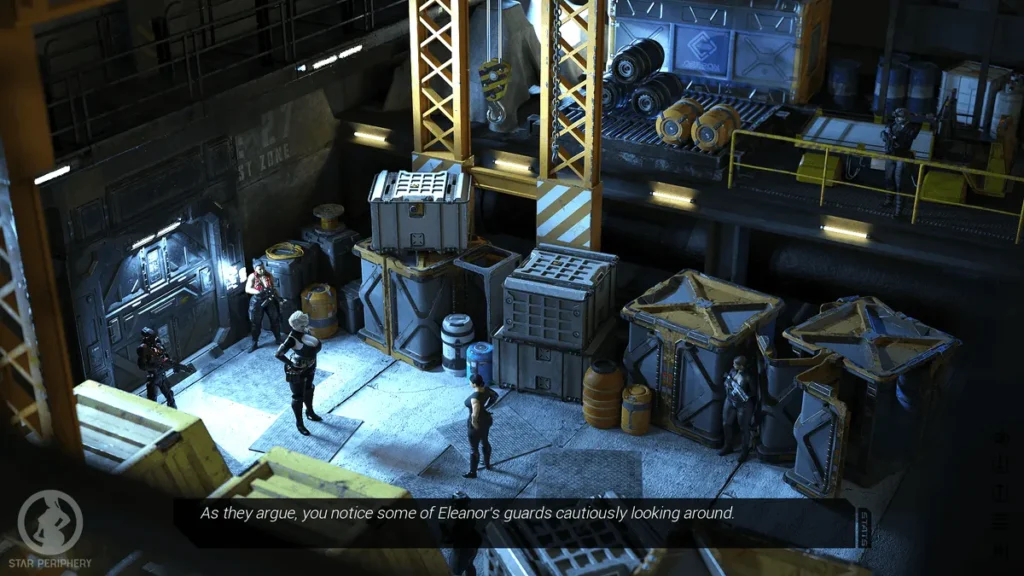

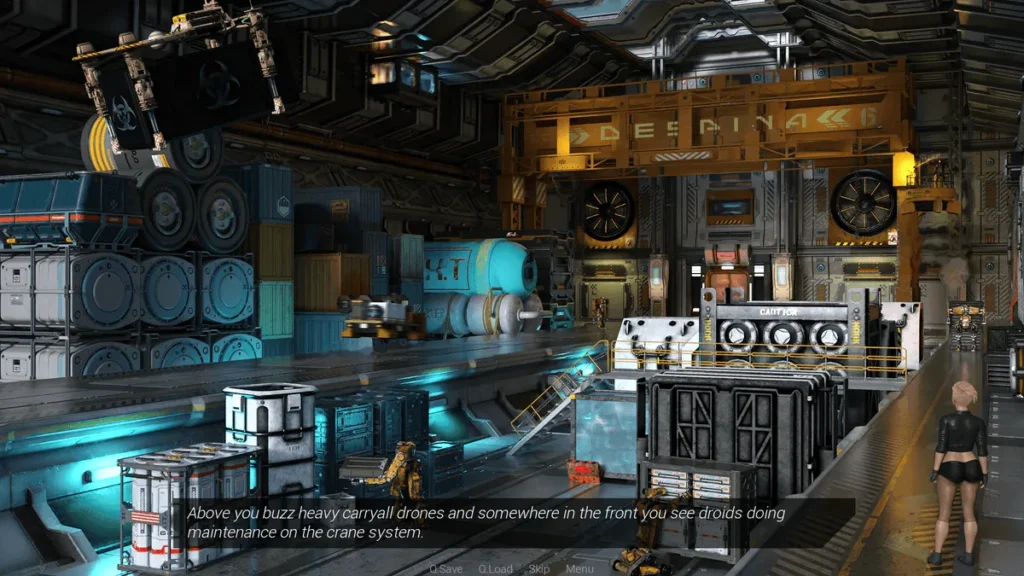
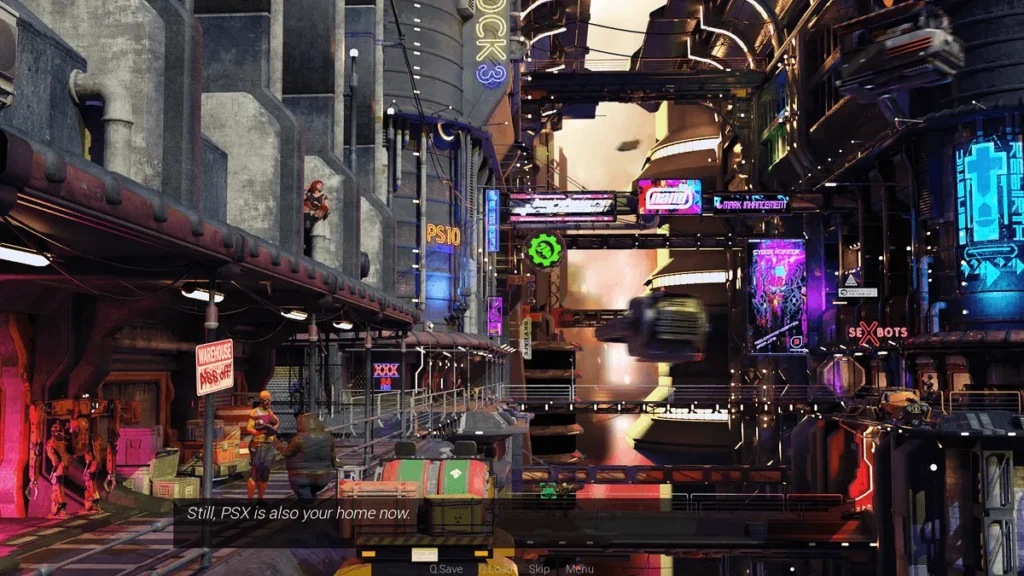
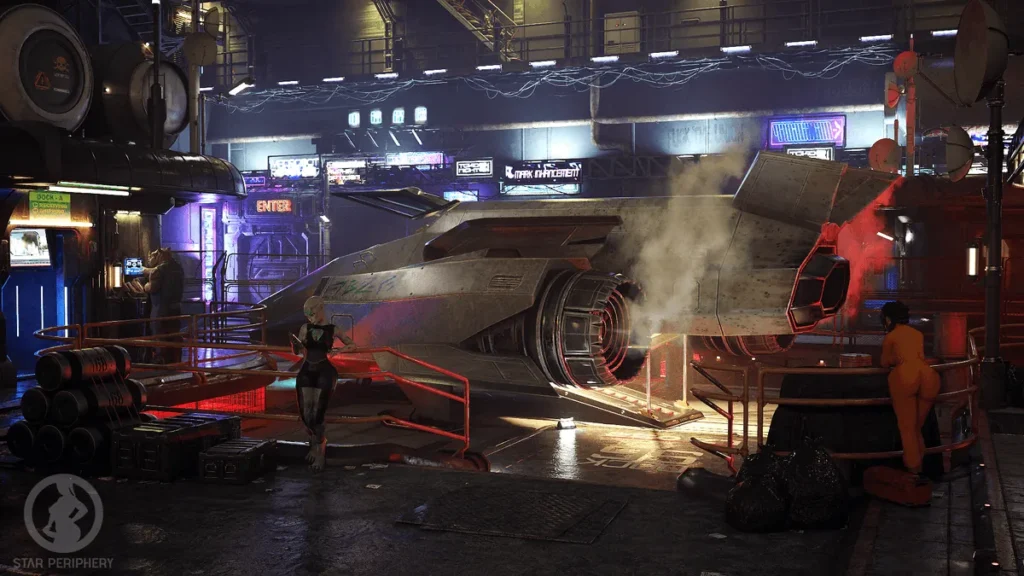
Star Periphery review
Master Adult-Themed Galactic Conquest in This Bold Game
Imagine commanding vast fleets across the cosmos, where every decision blends strategic depth with thrilling adult encounters—that’s Star Periphery in a nutshell. This game takes space strategy to new heights, redefining mature gaming by fusing multi-layered command systems with immersive, boundary-pushing experiences. I first stumbled upon Star Periphery during a late-night gaming binge, and it hooked me instantly with its unique mix of empire-building and personal interactions. Whether you’re a strategy vet or new to adult-themed titles, this guide dives deep into what makes Star Periphery stand out. Stick around to uncover pro tips, hidden mechanics, and why it’s a must-play.
What Makes Star Periphery Gameplay So Addictive?
I still remember my first real playthrough of Star Periphery. I’d secured a few planets, built a modest fleet, and felt like a proper space admiral… until a rival empire declared war. I panicked, sent every ship I had to the front lines, and watched in horror as my economy collapsed back home. My mines fell idle, my people revolted from neglect, and my grand fleet, stranded without fuel, became scrap metal. I’d focused on just one layer of command and lost everything else. That painful, glorious lesson was my introduction to what makes Star Periphery gameplay so uniquely compelling. It doesn’t let you just be a general; it forces you to become a true sovereign. So, what is Star Periphery at its heart? It’s a space strategy game that masters the art of meaningful complexity, where every decision on the galactic map ripples through every aspect of your burgeoning empire. 🪐
How Multi-Layered Command Systems Drive Strategy
The genius of this space strategy game lies in its multi-layered command systems. It’s like conducting an orchestra where every section is playing a different, equally critical symphony. You can’t just win with big guns; you need harmony.
First, there’s Fleet Management. This isn’t just “right-click to attack.” You’re balancing ship classes, designing custom loadouts, setting patrol routes, and managing admiral loyalties. Sending a fast raider squadron to harass trade lanes while your main battle group holds a chokepoint is a classic Star Periphery tactic.
Then, the Resource Layer kicks in. Your fleets need fuel, ammo, and repairs. Your planets need food, consumer goods, and rare crystals for advanced tech. This isn’t a simple “+5 minerals” ticker. It’s a dynamic web of extraction, refinement, and logistics. I learned to always secure a Nebula Gas refinery early on—it powers the best engines and shields, making it a strategic priority for any Star Periphery conquest.
Finally, Planetary Control adds the deepest layer. Each world has a population with needs, factions, and a unique environment. You’re not just placing a “factory” building. You’re deciding whether to turn a frozen moon into a penal mining colony or a research paradise, each choice affecting stability, output, and the stories that unfold there. This triad of systems creates emergent strategy—you’re constantly solving a dynamic puzzle where the pieces keep moving.
To illustrate the evolution from beginner to adept thinking, here’s a comparison of command approaches:
| Strategy Type | Key Mechanics | Benefits | Pro Tip |
|---|---|---|---|
| Basic Command | Reacting to threats, building generic fleets, focusing on one resource type. | Simple to grasp, good for learning core combat. | Automate your basic mining worlds early to free up mental space for fleet tactics. |
| Advanced Command | Pre-empting conflicts with diplomacy or espionage, specializing fleets for specific foes, creating interdependent resource loops. | Creates an unstoppable, resilient empire where every part supports the whole. | Design a “rapid response” fleet with high strategic jump range to defend your sprawling territory effectively. |
Integrating Adult Themes into Space Conquest
Now, let’s address the nebula in the room: the adult themes in gaming within Star Periphery. This isn’t just superficial content. These themes are woven directly into the galactic empire building mechanics as tools for immersion and consequential decision-making. 👥
Think of it as adding a rich layer of human (and alien) motivation to the cold calculus of space warfare. Your crew has morale. A fleet that’s been on long, grueling patrols becomes less effective. You might authorize shore leave on a pleasure planet, boosting efficiency at a credit cost. Or, you could push them harder for a short-term gain, risking a mutiny event. These are strategic choices with narrative weight.
Characters you meet—allies, ambassadors, rogue agents—have their own drives and can form complex relationships with your commander. Securing the loyalty of a gifted but troublesome science officer might involve navigating a personal quest line that feels more like an interactive noir story than a simple “fetch 10 data disks” mission. These interactions make the universe feel alive, messy, and deeply personal. Your decisions in these moments can unlock unique perks, create powerful enemies, or alter entire mission chains, proving that Star Periphery gameplay integrates every element into its strategic core.
Case Study: The Zyphax Gambit
In one campaign, I was struggling to gain influence in a neutral sector. The militaristic Zyphax Conglomerate was blockading a key world. A brute-force attack would have drained my resources. Instead, I used intelligence networks to discover a scandal involving their ambassador. By confronting him privately (an encounter played out through tense, choice-driven dialogue), I gave him a choice: face exposure or quietly reroute his fleet for “exercises.” He chose the latter. The blockade lifted without a shot fired, and I gained a hidden contact within their government. This victory came not from lasers, but from leveraging the adult themes of ambition and deceit woven into the game’s fabric.
Why Players Can’t Stop Coming Back for More
The addictive nature of Star Periphery is a perfect storm of depth, storytelling, and endless possibility. Beyond the rich systems, two pillars support endless replayability.
First, the procedural galaxy. Every new game is a fresh discovery. One time you might start nestled in a dense, resource-rich cluster of stars. The next, you could be isolated on the sparse galactic rim, forcing a focus on exploration and long-range logistics. This variability means your Star Periphery conquest strategy must adapt from the very first jump.
Second, branching narratives. Major events and missions have multiple outcomes based on your choices, faction relationships, and even your commander’s background. Helping a rebel group overthrow a dictator might earn you a loyal ally in one playthrough, while in another, it could unleash a chaotic warlord who becomes your greatest nightmare. You’re not just seeing a different ending slide; you’re living a different story.
Let me tell you about the Battle of the Cyan Nebula. My scout frigate, limping home from a skirmish, detected a massive enemy armada mustering within a sensor-scrambling nebula. I was outgunned. Instead of a direct assault, I used the nebula’s interference to my advantage. I sent my fast corvettes on hit-and-run raids, drawing their heavier ships out of formation. Meanwhile, my diplomatic corps worked frantically to turn a minor faction in the system against them, promising them the spoils. In the ensuing three-way chaotic battle within the colorful gases, my consolidated fleet picked off the survivors. It was a triumph born from leveraging every single command layer—military, intelligence, and diplomacy. That’s the Star Periphery moment you chase every time. ✨
Actionable Advice: Optimize Your Early Game for Long-Term Dominance
Your first dozen turns set the trajectory for your entire galactic empire building run. Don’t just build randomly.
- Survey Ruthlessly, But Colonize Strategically: Find a system with both a resource-rich world and a strategic chokepoint (like a pulsar or nebula). This becomes your fortified core sector.
- Specialize Your First Two Colonies: Make one a dedicated Mining/Refining world and the other a Tech/Research hub. This creates a strong, simple economic engine.
- Invest in a “Swiss Army Knife” Fleet: Your initial fleet should be small, balanced, and led by an Admiral with the Scavenger trait. You can engage pirates, explore anomalies, and win small fights, growing stronger from salvaged wrecks.
- Complete One Early Favor Mission: Choose one major faction and do a mission for them immediately. The early reputation boost can secure a vital Non-Aggression Pact, buying you time to develop.
- Check the “Crew Lounge” on Turn One: Assign a diplomat or officer to start passively boosting morale or generating intelligence. These small, early investments in your people pay massive dividends later.
Mastering Star Periphery is a journey of constant learning and adaptation. It invites you to lose yourself in the grand, challenging, and deeply human drama of ruling the stars. Your next empire awaits, Commander. 🚀
Star Periphery isn’t just another space strategy—it’s a bold evolution that masterfully blends deep command layers with captivating adult elements, keeping you engaged for hours. From my own runs through nebulae skirmishes to empire-spanning campaigns, it’s clear this game rewards clever tactics and bold choices. You’ve got the tools now: dive in, experiment with those multi-layered systems, and build your legacy. Grab Star Periphery today, command your fleets, and see why it’s redefining mature gaming. Your galaxy awaits—what will you conquer first?