
TableTop BornStar
Play TableTop BornStar
TableTop BornStar Screenshots

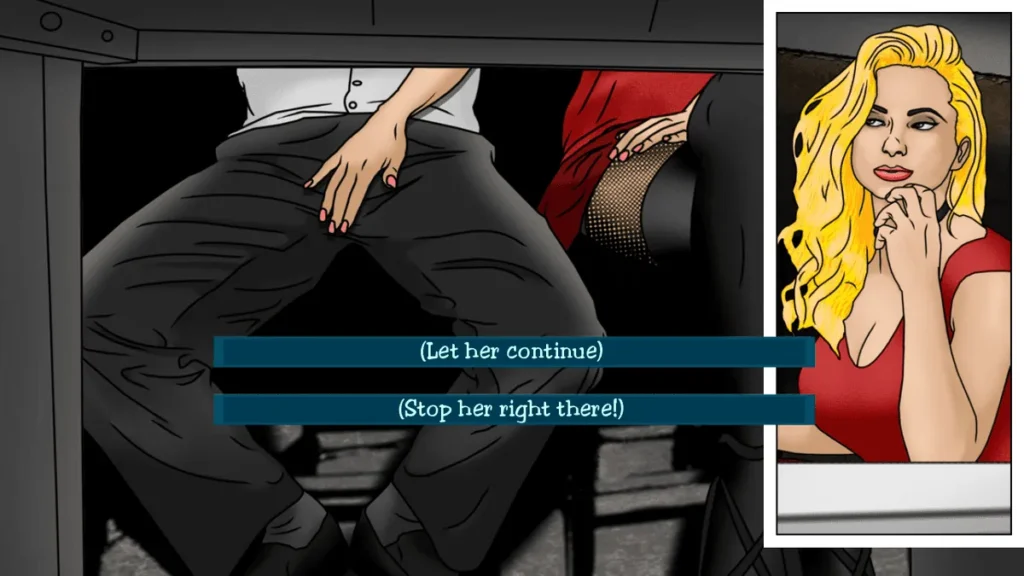





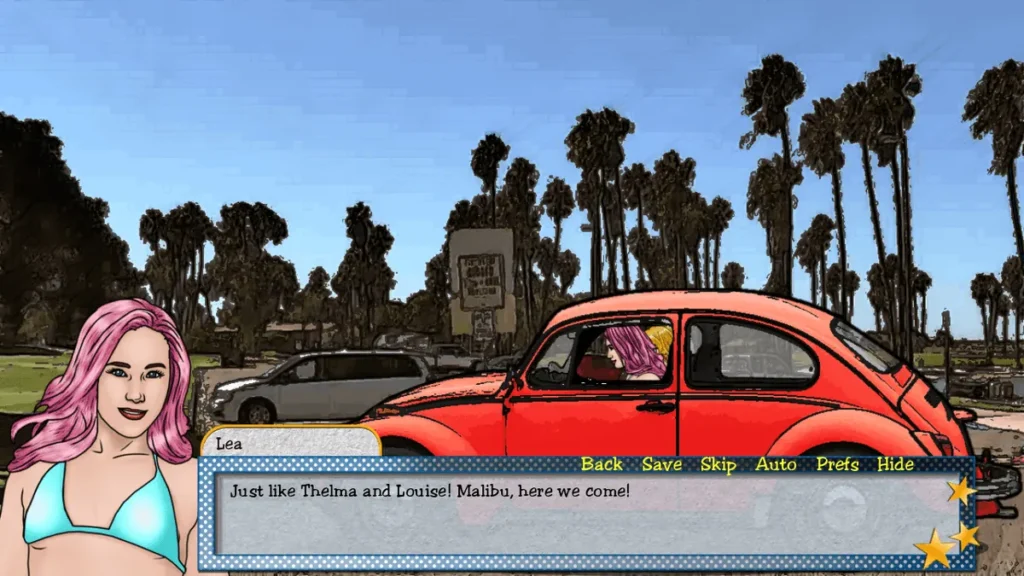
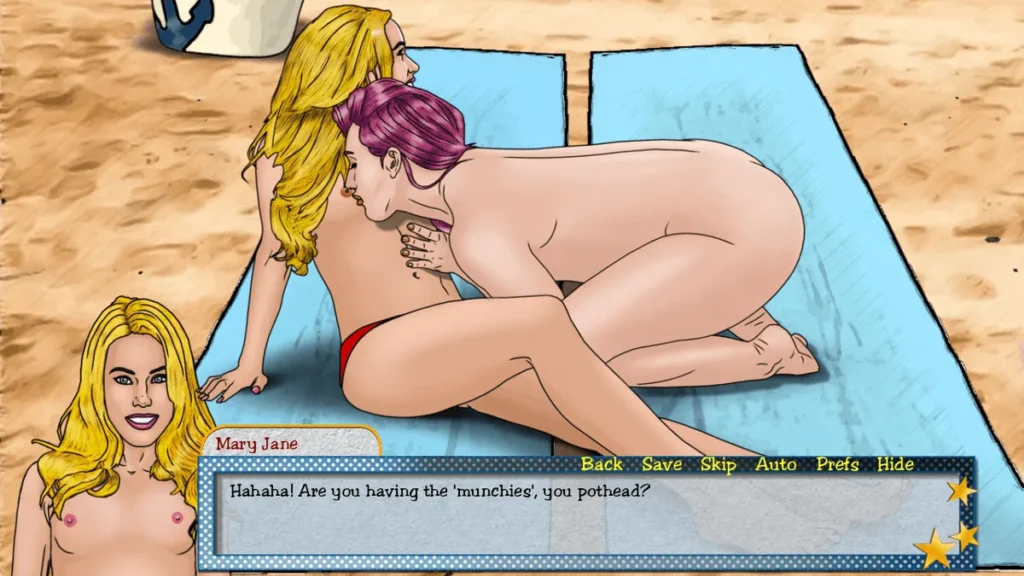
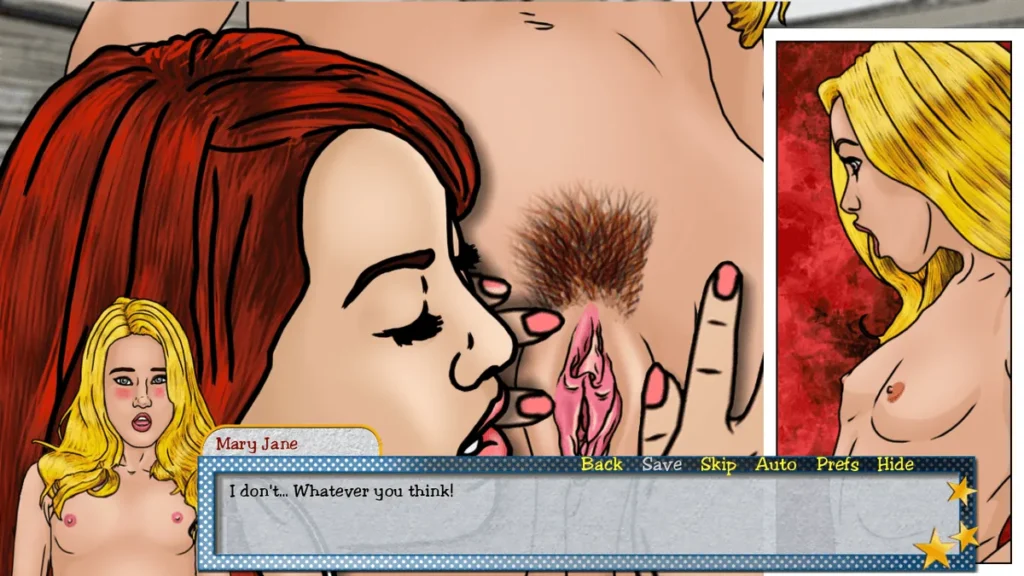

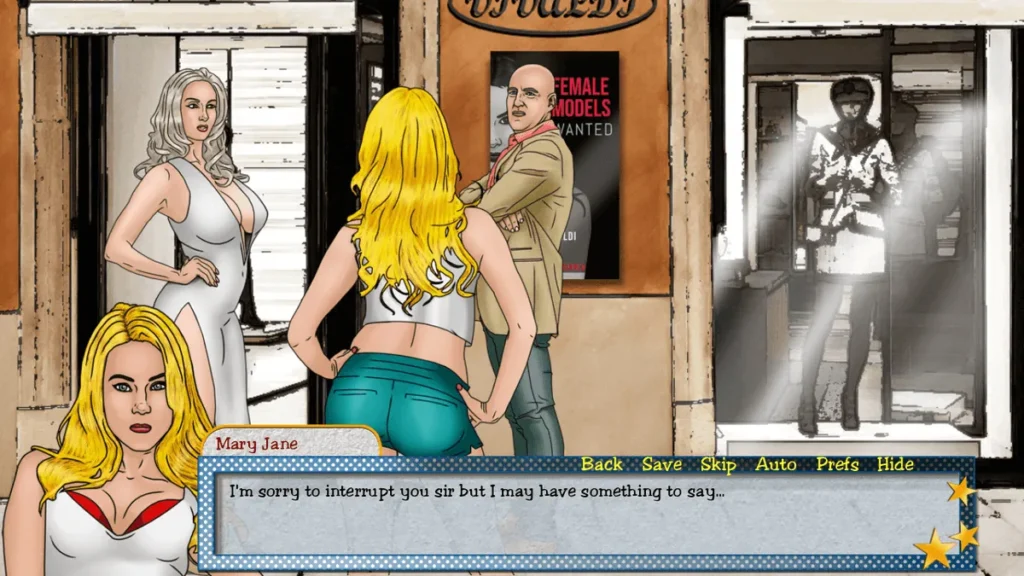
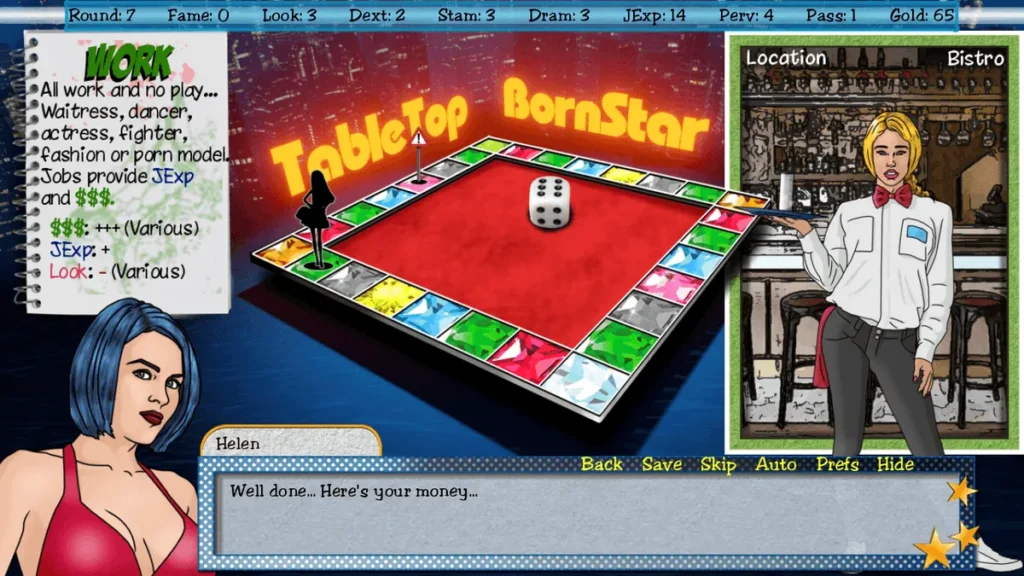

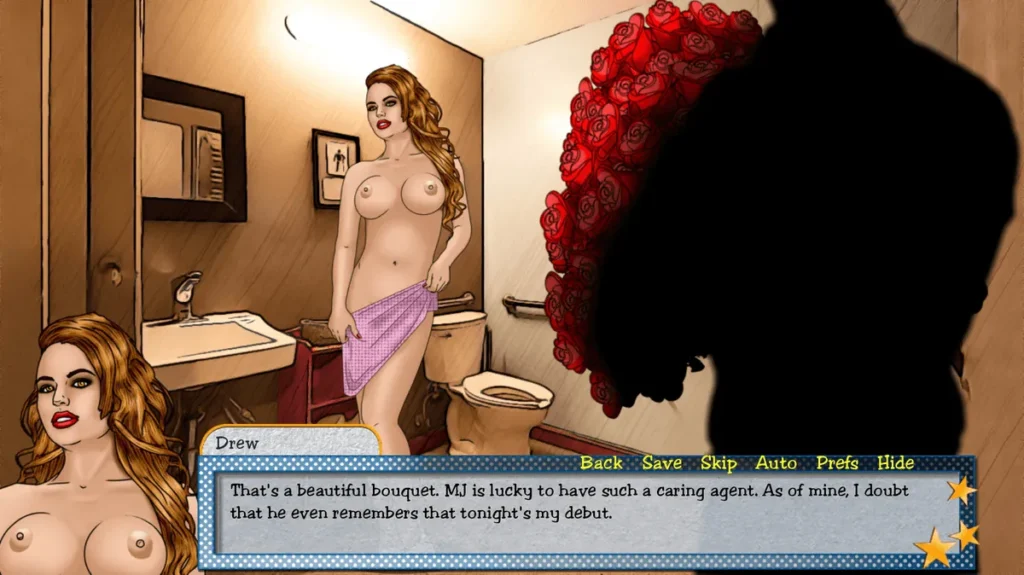

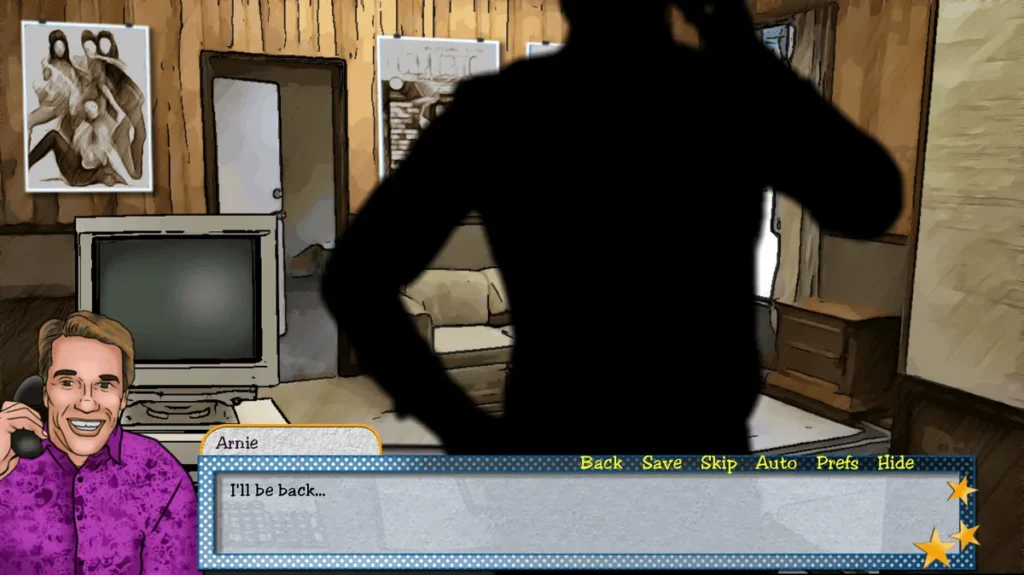

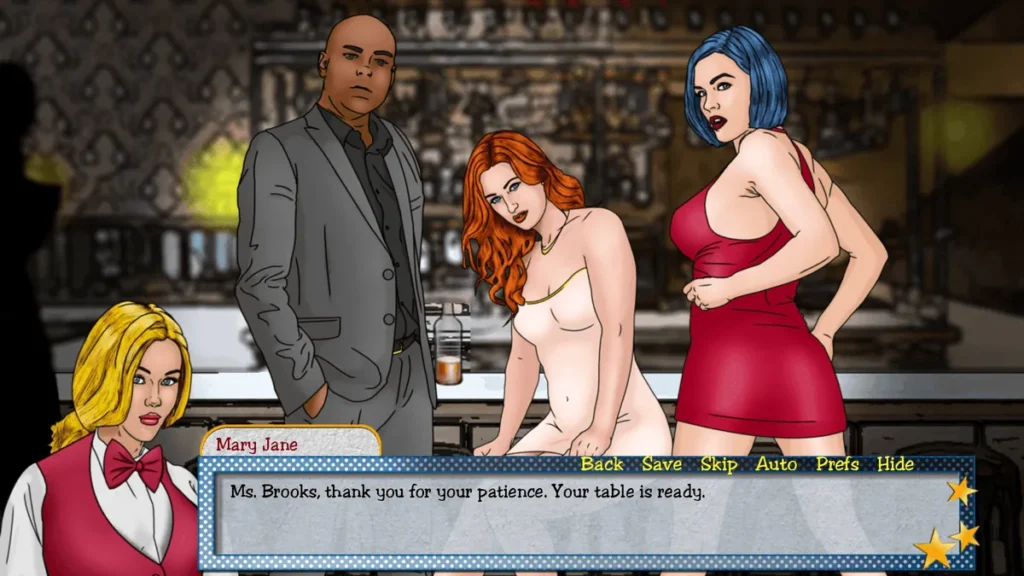




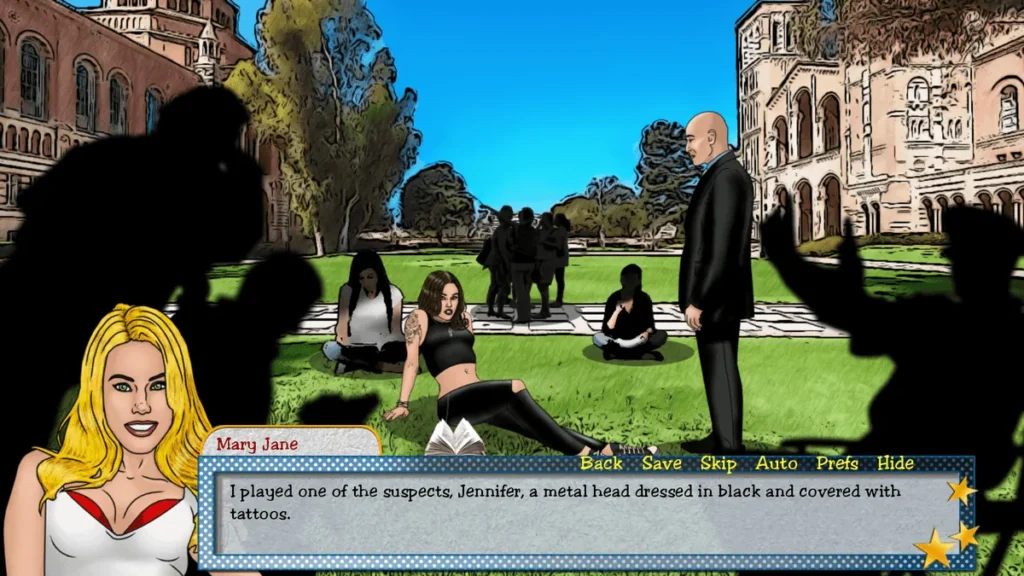
TableTop BornStar review
In-depth exploration of TableTop BornStar — mechanics, story, tips and player insights
TableTop BornStar places players in a morally complex, narrative-driven experience that blends tabletop mechanics with adult visual novel storytelling, and this guide covers everything a player needs to know to get the most from the game. TableTop BornStar opens in Hollywood, 1999, where you manage a washed-up talent agent guiding an aspiring actress through fame and corruption — and every decision shapes the outcome. I’ll share hands-on play observations, practical strategies for dice-and-card interactions, installation and mod tips I’ve tested, and examples from my own playthroughs to help you make informed choices.
Game Overview: Story, Setting, and Themes
What is TableTop BornStar? — premise and tone
Ever picked up a game expecting one thing and gotten something entirely different—and better? 😲 That was my exact experience with TableTop BornStar. At first glance, you might think it’s just another narrative-driven title. But dive in, and you discover a brilliant, gritty fusion. It’s an adult visual novel with the pulsating heart of a tabletop RPG, using dice and card mechanics to decide the fate of your client in the cutthroat world of 1990s Hollywood. 🎬🎲
You don’t play the hero. You play the maker—or breaker—of one. Your role is that of a washed-up talent agent, clinging to the frayed edges of an industry that’s forgotten your name. Your last shot at redemption? A single, unpredictable client: Mary Jane. This Hollywood 1999 game isn’t about glamour; it’s about the grime beneath the glitter. The tone is raw, cynical, and surprisingly heartfelt, mirroring the brutal honesty of films from that era. It’s less about red carpets and more about the backroom deals, whispered promises, and soul-crushing compromises that happen just off-screen.
The core TableTop BornStar story asks a deceptively simple question: How far will you go to create a star? Your choices, mediated by card draws and dice rolls, don’t just change dialogue—they fundamentally alter Mary Jane’s personality, career path, and morality. This unique blend creates a deeply personal and replayable experience where no two stories are the same.
Setting: Hollywood 1999 and major characters
The TableTop BornStar setting is a character in itself. We’re not in a generic, sunny Los Angeles. We’re in Hollywood 1999—a specific, pivotal moment in time. 🎞️ The indie wave of the early 90s is crashing against the rising tide of corporate blockbusters. Cell phones are clunky, the internet is a curious novelty, and tabloid culture reigns supreme. This era-specific backdrop is crucial. It allows the game to explore themes of ambition, power imbalance, and corruption without modern-day filters. A scandal can’t be deleted with a tweet; it’s cemented in tomorrow’s newspaper. A deal isn’t sealed over email; it’s negotiated in a smoky lounge where handshakes and threats carry equal weight.
This world is populated by a cast of memorable TableTop BornStar characters, each representing a facet of the industry’s dark jewel.
- Mary Jane (Your Client): She’s raw, fiercely talented, and brimming with a desperate ambition. She’s your project, your ticket back, and a mirror for your own ethical decay or redemption. Will you guide her to artistic integrity, mold her into a commercial sellout, or let her be consumed by the system? Her arc is the central pillar of the entire TableTop BornStar story.
- Victor “The Fixer” Krane: A legendary, feared studio executive. He doesn’t make movies; he makes problems disappear—for a price. He represents the old-guard corruption and is a source of both tremendous opportunity and profound danger.
- Felicity Reed: A veteran actress turned jaded mentor. She’s seen it all and offers Mary Jane a path of cautious, hardened wisdom, often warning against the very shortcuts you might be tempted to take.
- Jax Morrow: A hotshot, sleazy producer riding the new wave of high-concept, low-substance films. He’s all about the fast money and the faster lifestyle, presenting the most morally bankrupt—and potentially lucrative—path for Mary Jane’s career.
To help you keep this colorful crew straight, here’s a quick guide to the key players you’ll be schmoozing, betraying, or begging for favors:
| Name | Role | Primary Motivation | Relationship to Player |
|---|---|---|---|
| Mary Jane | Aspiring Actor (Your Client) | To achieve stardom and validation, at any cost. | Your responsibility and reflection. Your choices directly shape her personality and fate. |
| Victor Krane | Studio Executive (“The Fixer”) | To maintain power, control narratives, and eliminate loose ends. | A powerful patron or a devastating enemy. Interact with extreme caution. |
| Felicity Reed | Veteran Actress | To find meaning in a hollow industry and protect others from its worst excesses. | A potential mentor and moral compass, often at odds with lucrative opportunities. |
| Jax Morrow | Trend-Chasing Producer | To make easy money and enjoy the hedonistic perks of success. | A source of fast-track, low-integrity gigs. A corrupting influence. |
Themes and narrative structure (choices, corruption, multiple endings)
The genius of TableTop BornStar lies in how its themes are baked directly into its interactive systems. This isn’t a story you watch; it’s a story you negotiate, using every tool at your disposal.
The Central Theme: The Cost of Fame
Every conversation, every decision loops back to one core idea: What is this dream worth? The game masterfully exposes the power imbalance between those who have fame and those who crave it. You, as the agent, are stuck in the middle—exploited by those above you, while potentially exploiting the one person below you. The TableTop BornStar setting of late-90s Hollywood is the perfect petri dish for this, showcasing a pre-#MeToo era where corruption was often the unspoken rule of the game.
Branching Choices and Moral Dilemmas
The narrative is a sprawling web of branching choices. Early, seemingly minor decisions (Do you have Mary Jane thank a critic or insult him for a bad review?) can ripple outward, opening or slamming doors much later. The real meat, however, is in the moral choices TableTop BornStar is famous for.
Do you let a director verbally abuse Mary Jane on set to keep the peace and secure her next scene? Or do you storm in, defend her, and potentially get her fired from the picture entirely?
Do you accept a rival actor’s offer to leak a damaging tabloid story about Mary Jane’s competition, securing her a lead role but staining your hands?
When Victor Krane offers a guaranteed blockbuster role in exchange for Mary Jane attending a “private party,” what do you do? Do you ask her, dictate to her, or refuse on her behalf?
These aren’t just “good vs. evil” picks. They are complex, lose-lose scenarios where every option advances the story but corrodes something—your integrity, Mary Jane’s innocence, your industry relationships.
Mechanics Meet Storytelling
This is where the tabletop fusion shines. During these pivotal scenes, the game doesn’t just let you click a choice. It often triggers a contested scene. You might have to play a “Silver Tongue” card and roll a persuasion check to sweet-talk a producer. To uncover a blackmail secret, you might need to succeed on a dice roll using your “Network” stat. Failure isn’t a game over; it’s a narrative twist. Maybe you fail the roll to intimidate a paparazzo, and he prints the photos anyway, creating a new scandal subplot you now have to manage. The dice and cards inject a thrilling, unpredictable tension into every critical moment, making the TableTop BornStar story feel earned, not just chosen.
The Endgame: Multiple Endings
All these branching paths and moral crossroads converge to create dramatically different TableTop BornStar endings. There’s no single “win state.” You might guide Mary Jane to:
* The Critic’s Darling: An award-winning actress of integrity, but who remains a niche star.
* The Corporate Sellout: The highest-paid, most recognizable face in cinema, who is deeply unhappy and alienated.
* The Casualty: Broken by the system, her career and spirit in ruins.
* The Reformer: Using her hard-won platform to expose the industry’s rot, making powerful enemies in the process.
* The Vanished: She fires you and disappears, leaving you to wonder if you helped or destroyed her.
Your ending is a direct report card on your management style and ethical choices. It’s this promise of vastly different outcomes that makes replaying to explore new TableTop BornStar endings so compelling.
I’ll never forget my first run-in with a true game-altering choice. Mary Jane was up for her breakthrough role, but Victor Krane made it clear the final audition was just a formality—the part was hers, if she’d have a “friendly dinner” with the reclusive, creepy financier backing the film. The game presented me with three options: strongly advise her to go, forbid her from going, or present the “offer” neutrally and let her decide.
I chose to be “neutral,” thinking I was being a good, modern agent by giving her agency. I laid out the cold, hard facts. She looked at me, her pixelated eyes full of a mix of hope and disgust, and said, “If you won’t tell me no, then who will?” She went to the dinner, got the part, and her trajectory changed. She became colder, more calculating, and our relationship turned purely transactional. By the end, she was a megastar who left me for a bigger agency without a second glance. My attempt at passive objectivity was, in itself, a moral choice TableTop BornStar punished me for. I didn’t protect her, and she learned the worst lesson the industry could teach. That moment haunts me, and it’s exactly why I immediately started a new game to try and be better. Or, perhaps, to be worse and see what happens. 😈
TableTop BornStar is a distinctive hybrid that rewards careful decision-making, strategic use of dice-and-card systems, and thoughtful management of character stats and relationships. Throughout this guide I covered the narrative and setting, explained the tabletop mechanics and dice probabilities, offered stat-building and relationship strategies, provided a practical walkthrough with troubleshooting advice, and outlined safe installation and modding practices. If you play, start with a conservative early-game strategy to build core stats and experiment with one mod only after backing up saves; then try divergent runs to explore alternate endings. If you found these insights useful, try the recommended early-game checklist and share your playthrough notes with the community.