
Vis
Play Vis
Vis Screenshots








































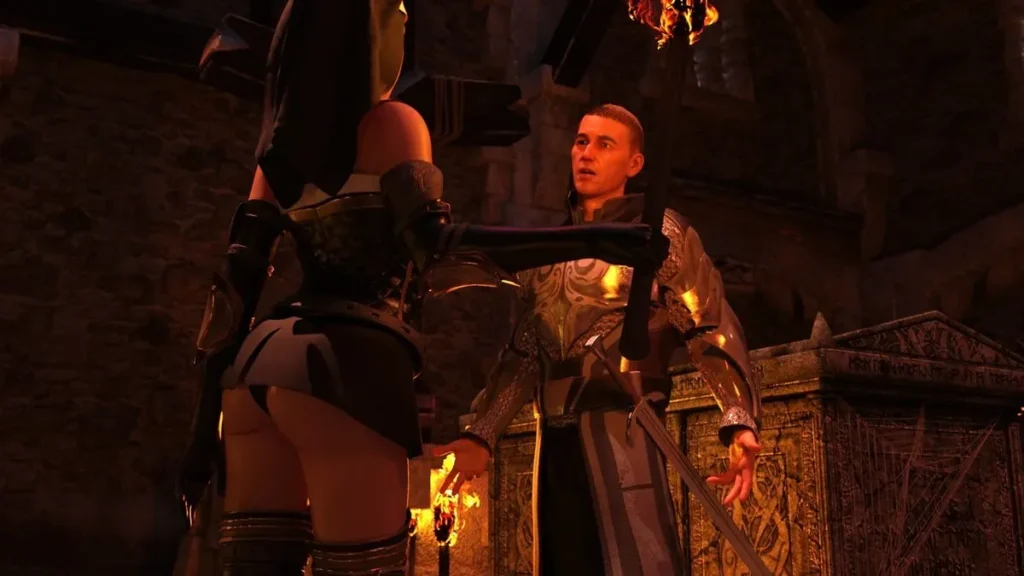

Vis review
Explore the Kingdom of Colonia in This Fantasy Adventure Experience
Vis is an immersive fantasy visual novel that places you in the role of a newly crowned monarch navigating the complex political landscape of Colonia. This narrative-driven experience combines strategic decision-making with character-driven storytelling, where every choice you make shapes the fate of your kingdom. Whether you’re interested in understanding the game’s mechanics, exploring its rich character roster, or learning about installation and gameplay features, this comprehensive guide covers everything you need to know about this engaging fantasy adventure.
Understanding Vis: Game Overview and Core Mechanics
So, you’ve just been handed a heavy, jewel-encrusted crown and told the fate of an entire kingdom rests on your shoulders. No pressure, right? 😅 Welcome to Vis, a fantasy adventure visual novel that does away with simple dating sim tropes and throws you headfirst into the labyrinthine politics of the medieval realm of Colonia. Forget passive reading; this is about active ruling. Every decree, every whispered alliance, and every sideways glance at your council matters. I remember my first playthrough—I thought being generously kind would win everyone over. Instead, my treasury emptied, a neighboring duchy invaded, and my most trusted knight questioned my strength. It was a brutal, fantastic lesson that Vis isn’t just a story you watch; it’s a world you shape, for better or worse.
At its heart, the Vis visual novel game is a masterclass in weighted storytelling. You aren’t just picking dialogue options to see a different character blush; you’re making geopolitical decisions that echo across years of in-game time. The Colonia kingdom gameplay revolves around you, the newly crowned monarch, navigating a web of factions, economic crises, and personal dramas. The brilliance of the Vis game narrative is how it makes the weight of leadership palpable. That sinking feeling when you must choose between feeding a starving village or funding the army to secure a border isn’t just described—it’s engineered through its superb choice-based storytelling mechanics.
What Makes Vis a Unique Visual Novel Experience
What sets Vis apart in the crowded field of interactive fiction? It’s the seamless fusion of intimate character drama and grand strategic management. Many visual novels are content to be interactive books, but Vis aspires to be a living, breathing kingdom simulator wrapped in a gorgeous, painterly aesthetic. 🏰✨
The setting of Colonia isn’t just a pretty backdrop; it’s a character in itself. You’ll learn its history, from the ancient, magic-wielding Draconic clans in the northern peaks to the mercantile Guilds controlling the southern ports. This deep lore isn’t delivered in boring info-dumps. Instead, you uncover it through conversations with your enigmatic spymaster, decrees from your archivist, and even the grievances of commoners who visit the throne room. The fantasy adventure visual novel elements come alive as you send envoys to mysterious forests or investigate ruins for relics, but these adventures are always tied back to your rule’s stability.
I’ll share a personal insight: the game’s genius lies in its “quiet” moments. During one playthrough, I spent a good twenty minutes just reading reports and managing resource allocations—and it was utterly gripping. Why? Because I knew the visual novel decision system was tracking everything. Approving a costly festival to boost morale meant less silver for the border watchtowers. Months later, when bandits raided an undefended caravan, the game didn’t shout “THIS IS BECAUSE OF YOUR FESTIVAL!” It simply presented the consequence, and the connection was devastatingly clear. This cause-and-effect loop is the core of the Vis visual novel game experience. Your reputation with each faction—the Nobles, the Church, the Guilds, the Military, and the Commoners—is a living metric that changes how every character interacts with you. A low standing with the Guilds might mean shopkeepers overcharge you for information; distrust from the Military could lead to delayed reinforcements in a crisis.
Core Gameplay Mechanics and Decision Systems
Let’s crack open the engine of this kingdom. The Vis gameplay features are built on one foundational principle: permanence. Unlike many narrative games where choices are often reset at chapter breaks, Vis employs a persistent memory system. The game remembers everything, from major edicts to offhand comments you made to a servant three in-game years ago. 🧠⚙️
The primary interface is the classic visual novel format: beautifully illustrated character sprites against detailed backgrounds, with narrative text and dialogue choices. But this is where the similarity ends. Sprinkled throughout your daily routine as monarch are strategic layers:
* The Royal Decree Screen: This is where you enact policies, allocate funds, and respond to kingdom-wide events. It’s a direct application of the choice-based storytelling mechanics on a macro scale.
* The Council Session: Here, you interact with the heads of major factions. These are intense narrative sequences where your choices directly affect your reputation with that group. Persuasion, intimidation, or compromise—each style has long-term effects.
* The Private Chambers: This is for personal storylines with close allies, your romantic interests (if you pursue them), and moments of reflection. Choices here feel personally impactful, affecting your character’s stress levels and relationships, which in turn can influence your judgment in council.
The visual novel decision system rarely offers a clear “good” or “bad” choice. Instead, you’re typically choosing between different values. Do you prioritize Justice or Mercy? Honor or Pragmatism? The Crown’s Authority or the People’s Will? This forces you to role-play consistently and live with nuanced outcomes. A “successful” playthrough isn’t about a perfect ending; it’s about seeing the story of your version of the monarch through to its logical conclusion.
To illustrate how Vis stands out, let’s compare its systems to more traditional titles in the genre.
| Gameplay Feature | Typical Visual Novel | Vis: Colonia Kingdom |
|---|---|---|
| Choice Impact Duration | Often contained within a character route or chapter; resets frequently. | Permanent, cascading effects that can surface hours later, altering entire story arcs and ending conditions. |
| Character Customization Depth | Usually superficial (name, appearance) or tied to stat allocation for specific dialogue checks. | Deep, narrative-driven customization. Your ruler’s personality is defined solely by your cumulative decisions, shaping how NPCs perceive and address you. |
| NPC Memory Systems | Limited memory, often only recalling key plot flags. | Comprehensive memory. NPCs reference past interactions, decisions, and even unfulfilled promises, making relationships feel organic. |
| Dynamic Event Generation | Most events are pre-scripted and triggered linearly. | A mix of scripted narrative and dynamic events generated based on your kingdom’s stability, faction reputations, and past actions. |
This table shows why the Colonia kingdom gameplay feels so dynamic. You’re not following a branching path so much as cultivating a unique ecosystem of consequences.
Story Progression and Kingdom Management
Here’s where the strategic part of this fantasy adventure visual novel truly sings. Your journey in Vis isn’t measured in chapters, but in seasons and years. The Vis game narrative unfolds through a clever cycle: you manage overarching kingdom affairs, which trigger personal story events, which in turn present you with decisions that affect the kingdom. It’s a brilliant, self-reinforcing loop. 📜➡️👑➡️⚔️
Colonia kingdom gameplay is fundamentally about balance. You have five core resources to manage:
1. Treasury (Gold): The lifeblood of your reign, needed for everything.
2. Popular Support (The People’s Will): Affects public order and recruitment.
3. Military Strength: For defense and… persuasion.
4. Kingdom Stability: A holistic measure of how well (or poorly) things are going.
5. Your Personal Resolve (Stress/Health): If this dips too low, your decision-making can become impaired.
A case study from my own sessions: Early on, I ignored the Church’s requests for funding to rebuild a cathedral, focusing on military expansion. My Vis gameplay features alert log showed my reputation with them plummeting. Seasons later, when a plague struck, the Church, resentful and underfunded, was slow to mobilize its healers. The plague spread, Popular Support crashed, and I faced riots. The game didn’t create a “plague event” to punish me; it simulated a world where my neglect of a major institution reduced its ability to help in a crisis. That’s emergent storytelling at its finest.
The narrative branches are not about locking you out of content, but about specializing your story. Will you be a Philosopher-King who ushers in an age of learning and magic, allied with the Draconic clans? A Steel Regent who forges a militant empire through sheer force? Or a Merchant Sovereign who turns Colonia into a wealthy, guild-dominated trade hub? Each archetype isn’t just a different ending slide; it’s a completely different journey there, with unique challenges, allies, and moral quandaries.
Pro Tip: Don’t try to please everyone on your first run. The Vis visual novel game is designed for multiple playthroughs. Pick a faction or a personal code to align with, and lean into it. The most satisfying stories come from committed, flawed characters, not perfect ones.
In conclusion, Vis is more than a game; it’s a throne-room simulator that makes you feel the immense weight and profound privilege of power. Its choice-based storytelling mechanics are unforgivingly realistic, its visual novel decision system is remarkably deep, and the Vis game narrative that emerges is uniquely yours. The Colonia kingdom gameplay offers a rich, strategic sandbox, while the fantasy adventure visual novel framing keeps the experience personal and emotionally resonant. Exploring every nuance of its Vis gameplay features is a commitment, but one that rewards you with stories of triumph, tragedy, and hard-won wisdom that you’ll be thinking about long after you’ve put the crown down. 🎭👑 Whether you seek political intrigue, personal drama, or strategic mastery, this kingdom awaits your rule. Just remember: every choice echoes.
Vis stands out as a compelling visual novel experience that merges strategic decision-making with rich narrative storytelling in the fantasy realm of Colonia. From understanding its core mechanics and character systems to successfully installing and playing the game, this guide has covered the essential aspects that make Vis an engaging adventure. Whether you’re drawn to the political intrigue, character relationships, or the satisfaction of shaping your kingdom’s destiny through meaningful choices, Vis offers a deep and rewarding experience. As you embark on your journey as the newly crowned monarch, remember that every decision carries weight and consequence. Dive into Colonia, explore the various story paths available, and discover how your unique playstyle shapes the fate of your realm. Start your adventure today and experience the immersive world that awaits.