Ataegina
Play Ataegina
Ataegina Screenshots


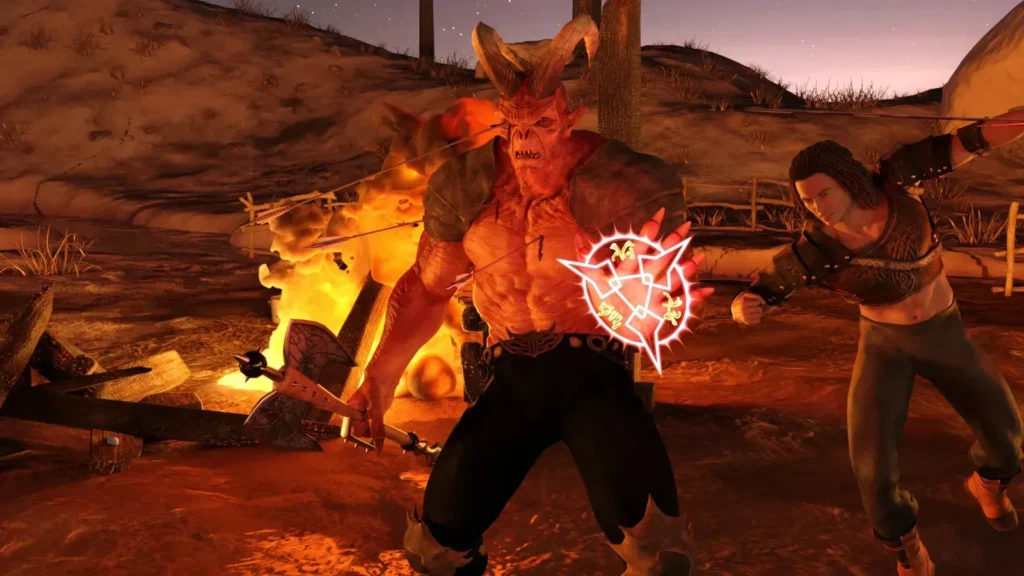
Ataegina review
A clear look at the world, systems, and best ways to enjoy Ataegina
Ataegina is a game that draws attention because of its story focus, progression systems, and exploration-driven structure. If you are looking for Ataegina information in one place, this article should help you understand what the game is about, how it works, and what to expect before you start. I remember the first time I opened a game like this and spent far too long just figuring out where to go next, so I know how useful a simple, practical guide can be. In the sections below, I will walk through the core setup, the main gameplay flow, and the details that matter most when you want to enjoy Ataegina without confusion.
What Is Ataegina and Why Do Players Look It Up?
Let me start by being straight with you: when I first heard the name Ataegina, I had no clue what to expect. Out of nowhere, friends started asking me, “Hey, have you tried Ataegina yet?” I looked it up, expecting another generic mobile clone, but I was wrong. Dead wrong. The game feels different right from the loading screen — it demands your full attention, and it rewards it, too. That’s why so many players are searching for “what is Ataegina” before diving in. They want a real Ataegina overview that cuts through the hype and tells them what they’re actually getting into. Are they stepping into a massive world? Is it a simple clicker? A story-heavy RPG? The confusion is real, and that’s exactly what I’m here to clear up.
What makes this search so common is that Ataegina game doesn’t fit neatly into one box. You might see a screenshot of a gloomy forest, then a clip of a fast-paced battle, and then an image of a trading menu. It throws a lot at you. Players look it up because they want a clear, honest explanation of what the Ataegina world is, how the story works, and whether they’ll enjoy the core loop. They don’t want to waste hours on a game that promises depth but delivers nothing. I get it. So let me give you the straight talk.
First impression summary: A dark, handcrafted world with deep RPG systems and a story that isn’t afraid to get weird. It’s not for everyone, but it knows exactly who it’s for.
FAQ: Quick Answers for Newcomers
What is Ataegina exactly?
It’s a single-player RPG with open-world exploration, turn-based combat, and a strong narrative focus. Think of it like a love letter to classic 2D RPGs — but polished for modern devices.
Why is Ataegina different from other RPGs?
Most mobile RPGs want your money every few minutes. Ataegina respects your time. There are no pop-up shops, no forced microtransactions, and no energy bars. It plays like a full PC game you paid for upfront, but it’s free to start.
Do I need to understand the lore before playing?
Not at all. The game eases you in with a simple premise: a mysterious world, a lost protagonist, and a conflict that you uncover step by step. But if you love deep lore, there’s plenty to dig into. That’s why searching for the Ataegina story is so common — players know there’s something good hidden under the surface.
What kind of game is Ataegina?
Let me paint you a picture. When you launch Ataegina, you’re greeted by a hand-drawn map full of muted greens, deep blues, and eerie shadows. The music is sparse but haunting. Within the first five minutes, you meet a strange character who speaks in riddles, and you’re thrown into your first battle. It doesn’t hold your hand. The experience is deliberately slow and atmospheric.
At its heart, Ataegina is a turn-based RPG with a heavy emphasis on exploration and storytelling. You control a small party of characters, move across a world map, and engage in tactical battles where positioning and skill combos matter more than pure stats. It feels a bit like the classic Final Fantasy games of the 90s, but it’s not just a copy. The world design is more open than most linear RPGs. You can stumble into areas way above your level, and you’ll get crushed. But that’s part of the charm — it respects your ability to learn and adapt.
The Ataegina gameplay loop is simple on the surface: explore, fight, loot, level up, repeat. But the layers beneath that loop are what keep you hooked. Equipment has weight and durability. Skills have to be learned from hidden masters. Quests don’t always have a marker pointing you where to go. You have to pay attention to dialogue, read notes, and make real choices. That’s rare in modern RPGs, and it’s refreshing.
One thing that stood out to me immediately was the art style. It’s not ultra-realistic. It’s not cutesy anime either. It’s something in between — a painterly style with heavy contrast, almost like a graphic novel come to life. The atmosphere is melancholic most of the time, but there are moments of warmth, humor, and even horror. The tone can shift on a dime, and it keeps you on edge.
Personal take: I spent my first two hours just exploring a single forest zone, reading every note, talking to every NPC. I didn’t even care about progressing the main quest. That’s the kind of game this is.
Players searching for an Ataegina overview hear about the difficulty and wonder if it’s unfair. It’s not. It’s just unforgiving in the right ways. If you run into a monster pack three times your level, you can run away. If you ignore your equipment, you’ll break it. If you don’t learn enemy patterns, you’ll die. But every death teaches you something. The game respects your intelligence, and that’s a huge part of its appeal.
What makes Ataegina stand out?
There are dozens of RPGs on the market right now. Some are huge, some are small. So why does Ataegina generate so much curiosity? Why do people type “Ataegina game” into search bars late at night? The answer lies in a few specific things that this game does differently.
First, no handholding. I cannot stress this enough. Most modern games show you waypoints, glowing paths, and pop-up tutorials every five seconds. Ataegina trusts you to figure things out. The tutorial is short and organic. After that, you’re on your own. You might miss a key item, fail a quest, or wander into a boss fight too early. That’s okay. The game wants you to experience the world on your own terms.
Second, the story is actually good. Many mobile RPGs have forgettable plots written by committees. The Ataegina story feels personal, almost like a novel written by one author with a clear vision. It deals with themes of memory, identity, and sacrifice. The characters are flawed. Some are unlikeable. The dialogue doesn’t sound like it was run through a translator. It has rhythm, wit, and weight. That’s why players look up “Ataegina story” — they want to know if it’s worth investing their emotional energy. It is.
Third, progression is meaningful. In many games, leveling up just makes numbers bigger. Here, every level gives you a choice. You allocate points manually. You pick skills that fit your playstyle. You craft gear that reflects your path. Two players at the same level can have completely different builds. That kind of freedom is rare, and it makes the Ataegina gameplay feel personal and rewarding.
Fourth, the world feels alive. Towns have day and night cycles with different NPC schedules. The weather changes, and it affects gameplay — rain makes fire spells weaker, wind makes ranged attacks harder. Details like this make the world feel real. You don’t just move through a backdrop; you live in it.
Who is Ataegina best suited for?
Let’s be honest. Ataegina isn’t for everyone. If you want a game where you tap once and watch numbers fly, this isn’t it. If you hate reading dialogue or exploring without a glowing marker, you’ll struggle. But if you love the feeling of uncovering something meaningful on your own, this game will hook you deep.
Ataegina is best suited for players who grew up on classic RPGs — people who remember spending hours in Chrono Trigger, Suikoden, or early Fire Emblem titles. It appeals to the kind of gamer who enjoys slow burn narratives, where plot twists don’t happen every ten minutes, but when they do, they hit hard. It’s for people who appreciate hand-drawn art and ambient sound design over flashy graphics.
It’s also perfect for busy adults who don’t have eight hours to grind. The game respects your time. You can play for thirty minutes, make meaningful progress, and put it down. There’s no daily login bonus pressure, no energy systems, no FOMO mechanics. You play when you want, at your own pace.
New players often start by searching for “what is Ataegina” because they hear it’s “hard” or “old school.” If that sounds like you, take the leap. You’ll die a lot. You’ll get lost. You might rage-quit once or twice. But if you stick with it, you’ll find a game that treats you like an adult, rewards your curiosity, and tells a story that stays with you long after the credits roll.
So, who is this for? You — if you miss the days when RPGs were about discovery, not checklists. You — if you want a game that doesn’t beg for your wallet every five minutes. You — if you’re ready to get lost in a strange, beautiful world.
And once you understand what Ataegina really is, the next question is obvious: how does it actually play? Let’s walk through the systems, the combat, and the core loop that makes this game tick. That’s exactly what we’re diving into next. 🎮
Ataegina stands out as a game that rewards attention, curiosity, and patience. Once you understand how its world opens up and how its progression works, the experience becomes much easier to follow and much more enjoyable to explore. If you are approaching it for the first time, start slowly, pay attention to details, and let the game reveal itself step by step. That is usually where Ataegina becomes most interesting: not in rushing forward, but in learning how its structure is meant to be experienced.